
In recent years, more individuals across the country have begun to seek holistic alternatives to manage mental health challenges. Jackson, GA is no exception. The growing pressures of modern life, including financial strain, work-related stress, family responsibilities, and personal uncertainties, often leave people feeling overwhelmed and anxious. While traditional therapy and medication are effective for many, a significant number of people are looking for a deeper connection, something that addresses not only the mind and body but also the soul.
This is where spiritual healing comes into play. In Jackson, GA, an increasing number of residents are turning toward spiritual healing and faith-based counseling to navigate the turbulent waters of stress and anxiety. These approaches don’t just mask symptoms, they seek to transform inner turmoil by fostering a deeper sense of purpose, hope, and resilience. The small-town warmth of Jackson offers the perfect environment for healing, providing space for reflection, growth, and community support.
What is Spiritual Healing?
Spiritual healing is a broad term that encompasses practices designed to realign and restore the human spirit. Unlike conventional approaches, spiritual healing often draws upon a person’s faith, beliefs, and connection to a higher power. It can take many forms, such as prayer, meditation, energy healing, scripture reading, and guided spiritual counseling. The focus is on helping individuals release inner blockages, forgive past wounds, and reconnect with their spiritual essence.
In Jackson, GA, spiritual healing is closely intertwined with the area’s strong faith-based culture. Local churches, wellness centers, and independent spiritual counselors offer support that blends emotional guidance with spiritual insight. Rather than viewing stress and anxiety as purely psychological conditions, spiritual healing interprets them as signs of spiritual disconnection. By restoring that connection, individuals often experience a profound sense of peace and clarity.
Faith-based counseling plays a crucial role in this process. Unlike secular therapy, faith-based counseling uses spiritual teachings and biblical principles as the foundation for healing. This approach is especially resonant in communities like Jackson, where spiritual traditions are deeply rooted in everyday life.
How Spiritual Healing Addresses Stress and Anxiety
Stress and anxiety often stem from a sense of helplessness or loss of control. People may feel trapped in circumstances they cannot change, burdened by fear of the future or guilt from the past. Spiritual healing helps by offering a different perspective: one rooted in faith, trust, and surrender to a higher power.
Through spiritual practices, individuals learn to release the grip of fear and embrace the present moment. Prayer and meditation, for example, calm the nervous system and invite a sense of divine presence. Faith-based counseling allows individuals to voice their concerns in a safe, nonjudgmental space while being gently guided back to spiritual truths that promote inner strength and peace.
Jackson’s community is uniquely positioned to benefit from this approach. With its close-knit neighborhoods and accessible spiritual resources, residents can find both individual and group support to strengthen their spiritual journey. Whether it’s through church-based counseling sessions or quiet retreats offered in nearby natural settings, the path to healing is often just around the corner.
Moreover, spiritual healing helps people address root causes of their emotional pain. It encourages forgiveness, gratitude, and self-compassion, all essential tools in managing stress and anxiety. Rather than simply coping with anxiety, individuals in Jackson are learning how to transform it into an opportunity for spiritual awakening and personal growth.
The Role of Faith-Based Counseling in Jackson, GA
Faith-based counseling in Jackson provides a bridge between psychological support and spiritual growth. Counselors who offer this service are often trained in both mental health techniques and pastoral care, allowing them to provide comprehensive support that respects the whole person. This dual approach is particularly effective for those who want their therapy aligned with their faith.
In Jackson, many local churches have introduced formal counseling programs led by licensed professionals. These services are often free or donation-based, making them accessible to a wider range of people. Community members find comfort in knowing that they can receive professional help without having to sacrifice their beliefs or values.
Faith-based counseling focuses on instilling hope, reinforcing identity through spiritual teachings, and guiding individuals through their healing journey with compassion and faith. Sessions might include prayer, scripture reading, and discussion of spiritual principles alongside conventional counseling strategies like cognitive behavioral therapy.
Counselors help clients reframe their struggles through a spiritual lens. Instead of viewing anxiety as a weakness, it may be interpreted as a call to deepen one’s reliance on God or to reevaluate life choices that are out of alignment with their values. In this way, faith-based counseling in Jackson does more than alleviate symptoms; it encourages lasting transformation.
Local Resources and Community Support in Jackson
One of the unique advantages of seeking spiritual healing in Jackson is the strength of the local community. Despite being a smaller town, Jackson is home to a variety of spiritual and wellness resources. From traditional churches to non-denominational spiritual centers, the town offers a diverse range of options for those seeking healing through faith.
Several pastors and spiritual leaders in the area are recognized for their compassionate counseling work. Many offer one-on-one sessions, support groups, and prayer circles that help individuals feel seen and supported. Community events focused on spiritual growth, such as retreats, workshops, and Bible studies, also provide valuable opportunities for connection and healing.
Local organizations and wellness practitioners often collaborate to provide integrated care, combining spiritual guidance with lifestyle changes such as nutrition, exercise, and mindfulness. For those new to spiritual healing, these combined approaches make it easier to begin the journey in a supportive and informed way.
In addition to structured programs, Jackson’s natural beauty offers a serene backdrop for healing. Quiet walks through Indian Springs State Park or moments of reflection by Jackson Lake can become sacred experiences that enhance one’s sense of peace and connection.
Conclusion
In the face of rising stress and anxiety, more people in Jackson, GA are discovering the transformative power of spiritual healing and faith-based counseling. These approaches provide not just relief, but renewal, offering individuals the chance to reconnect with their spiritual roots, rediscover hope, and rebuild their lives from the inside out.
Through prayer, meditation, and the support of trained spiritual counselors, those struggling with emotional turmoil can find a path toward lasting peace. Jackson’s vibrant faith-based community, combined with the town’s natural tranquility and welcoming spirit, makes it an ideal place for this kind of healing work.
Spiritual healing is not a replacement for medical or psychological treatment when needed, but it offers a powerful complement that nurtures the soul. For residents of Jackson seeking a deeper solution to their anxiety and stress, the invitation is clear: step into a journey of healing that honors the whole person, body, mind, and spirit.
Need Counseling Services Near You?
We at Healing Intercessory Ministries, Inc. are here because we care, truly and deeply. Since 2007, our mission has been to walk alongside individuals and families through life’s challenges with compassion, faith, and understanding. Whether you’re seeking personal guidance, marital support, or family counseling, we’re ready to meet you where you are, offering both one-on-one and group support tailored to your needs. Don’t wait to find the help and healing you deserve. Reach out to us today; we would be honored to talk with you and walk this journey together.

In times of emotional pain, uncertainty, or personal crisis, many people seek comfort in places where trust, authenticity, and compassion are foundational. Small groups, especially within the context of faith-based communities, have proven to be a powerful source of healing and transformation. Whether someone is recovering from trauma, battling addiction, or simply feeling isolated, the experience of being truly seen and heard in a small group setting can mark the beginning of restoration. This form of community support fosters an environment where individuals are encouraged to face their struggles with the strength of others beside them, underpinned by shared faith and purpose.
A Safe Place to Be Known
One of the greatest needs a person has during seasons of hardship is to be known, not superficially, but deeply and honestly. In large gatherings, it’s easy to blend into the background, to show only the parts of ourselves we’re comfortable revealing. Small groups remove that veil by encouraging vulnerability. When members commit to listening without judgment, offering empathy rather than solutions, and showing up consistently, a safe place begins to form.
Faith-based counseling often complements this kind of community setting, where spiritual guidance and psychological support intertwine. Many people feel a stronger connection to both their faith and their healing journey when they are part of a group that is willing to wrestle with hard questions together. In these spaces, participants come to realize that they are not alone. Others have felt the same fears, wrestled with the same doubts, and cried the same tears. This shared experience creates bonds that are not just emotional but spiritual, rooted in a collective pursuit of hope.
How Community Support Aids Healing
The impact of community support in a small group context is profound. It cultivates an atmosphere where accountability and encouragement go hand in hand. Individuals can set personal goals, talk about their growth, and receive feedback from people who genuinely care. Over time, this consistent support can rebuild trust that was lost through past betrayals, broken relationships, or systemic neglect.
In a faith-centered group, the spiritual dimension adds depth to the healing process. Shared prayers, scripture reflections, and spiritual disciplines serve as constant reminders that healing is not only possible but promised. The rhythm of meeting together, whether weekly, bi-weekly, or monthly, creates a stable environment in which people can track their emotional and spiritual progress. Unlike fleeting moments of inspiration, this consistency builds endurance. For someone recovering from trauma or chronic grief, that sense of reliability can become a vital lifeline.
Moreover, being part of a small group helps break the cycle of isolation. Many mental health challenges are intensified by loneliness. When someone finds a space where they belong, where their story matters, the very act of showing up becomes an act of resistance against despair. Over time, this community becomes a mirror reflecting not only the brokenness but also the beauty that still exists within each person.
Bridging the Gap Between Counseling and Everyday Life
Professional counseling plays a crucial role in mental health and spiritual restoration, but its effectiveness can be magnified when paired with strong community support. Small groups serve as an extension of the principles learned in counseling sessions. While a counselor may help an individual process trauma, uncover limiting beliefs, or reframe painful memories, the small group offers real-world application of those insights.
For instance, someone working through forgiveness in counseling can find in their group a space to practice compassion, patience, and vulnerability. When the group responds with grace instead of judgment, it reinforces the progress made in therapy. This creates a feedback loop of healing that is both inward and outward. Faith-based counseling often encourages clients to plug into supportive communities precisely for this reason.
Additionally, small groups can act as an early detection system. When someone begins to drift into harmful patterns, others in the group are often the first to notice. Their observations, offered with love and concern, can prompt a return to counseling or more focused spiritual guidance. This interconnected system ensures that no one slips through the cracks unnoticed or unsupported.
Spiritual Restoration Through Shared Faith
Restoration is not just emotional or relational; it is deeply spiritual. Many individuals experiencing loss or pain also struggle with their relationship with God. They might feel abandoned, confused, or angry. Small groups provide a context for working through those feelings within a framework of grace. There is power in hearing others articulate doubts and questions that you were afraid to voice. That honesty invites deeper connection with God and others.
Faith-based small groups offer regular reminders of hope rooted in spiritual truth. They point to a narrative larger than individual suffering, one that includes redemption, purpose, and healing. Through prayer, worship, and shared reflection, participants can experience a renewed sense of divine presence. Often, these spiritual encounters are the turning point in someone’s journey from despair to hope.
The collective faith of a group can carry individuals when their own faith feels too weak. In moments when it’s hard to pray, hearing someone else pray for you can be transformative. When the words won’t come, a community that surrounds you with love and intercession becomes a tangible expression of God’s care. This shared spiritual journey fosters a deeper understanding of grace, not just as a theological concept but as a lived experience.
Long-Term Transformation and Resilience
Healing is rarely linear, and restoration does not come with a fixed timeline. What small groups provide is a long-term support system that remains available through every high and low. Unlike one-time events or temporary programs, these groups grow with the individual. As members stay connected over months or even years, they celebrate progress, mourn setbacks, and continue pressing forward together.
This kind of enduring connection builds resilience. Participants become more emotionally grounded and spiritually mature, able to handle future challenges with greater strength. For many, the group eventually becomes not just a place of healing but a platform for service. Those who once arrived broken and silent begin to lead, mentor, and guide others through similar journeys. In this way, the cycle of restoration multiplies. One person’s healing becomes the seed of someone else’s breakthrough.
Faith-based counseling often points individuals toward this long-term vision. It teaches that restoration is not only about recovery from pain but about reclaiming purpose. Small groups reinforce this lesson by inviting people to use their stories to uplift others. As this happens, the group itself becomes a witness to the enduring power of faith and community support.
Conclusion
Small groups are more than social gatherings or study circles. They are sacred spaces where healing begins, trust is restored, and lives are transformed. In the intersection of faith-based counseling and intentional community support, individuals find not only comfort but courage. They learn to face their wounds honestly, grow in their faith, and reconnect with the people around them.
The journey to hope and restoration is not meant to be walked alone. Within the intimacy of a small group, burdens are shared, prayers are lifted, and victories are celebrated. These communities, rooted in grace and guided by faith, remind us that even in our most broken moments, we are never truly alone. The presence of others, walking beside us with compassion and understanding, becomes one of the clearest reflections of divine love on earth. Through them, hope is not just found; it is cultivated and sustained.
Need Counseling Services Near You?
We at Healing Intercessory Ministries, Inc. are here because we care, truly and deeply. Since 2007, our mission has been to walk alongside individuals and families through life’s challenges with compassion, faith, and understanding. Whether you’re seeking personal guidance, marital support, or family counseling, we’re ready to meet you where you are, offering both one-on-one and group support tailored to your needs. Don’t wait to find the help and healing you deserve. Reach out to us today; we would be honored to talk with you and walk this journey together.

The path to healing can be mysterious, unexpected, and even painful at times. Often, God uses the most broken parts of our story—moments of rejection, abandonment, and identity crisis—to lovingly guide us toward wholeness. If you’re walking through seasons of deep personal struggle, you might not realize that God is doing a healing work in your life. He’s not ignoring your pain; He’s inviting you to discover who you truly are in Him.
Understanding the signs of this divine guidance can help you embrace your healing journey with faith and hope. These signs may not come with loud announcements, but if you pay attention, you’ll see how God gently turns your pain into purpose and reveals your true self-identity through the very wounds that once defined you.
1. You Feel an Urge to Reclaim Your Self-Identity
One of the clearest signs that God is leading you toward healing is a growing hunger to rediscover who you are—beyond the labels, trauma, or roles you’ve been assigned by others. After facing rejection or abandonment, your sense of identity may have become tangled in pain, shame, or confusion. But when God begins to move in your life, He often stirs a divine restlessness in your spirit. You begin to question the lies you’ve believed about yourself and seek to know your worth from a higher, more eternal source.
This desire to reclaim your self-identity is not accidental. It’s a holy discontent planted by God to draw you back to Him. He knows that true healing begins when you see yourself as He sees you—loved, chosen, and whole. You might find yourself revisiting dreams you had as a child, desiring solitude to reflect, or turning to Scripture with new curiosity. These are all invitations from God to discover the version of you that was never meant to be hidden beneath fear or past wounds.
2. Rejection No Longer Paralyzes You
Another powerful sign of healing is when rejection stops being a source of paralyzing fear. In the past, being left out, misunderstood, or dismissed may have shaken your confidence or kept you from pursuing relationships and opportunities. But as God begins to heal you, He rewrites the narrative around rejection.
You start to see that rejection is not always a reflection of your worth but sometimes a divine redirection. You learn to separate your value from people’s opinions or actions. Instead of striving for constant validation, you begin to find peace in God’s approval alone. This shift doesn’t mean rejection doesn’t hurt anymore—but it loses its power to define you.
God often uses rejection as a pruning tool to remove what isn’t serving your purpose. As you heal, you realize that some rejections were actually blessings, creating space for healthier, more aligned connections. That revelation is grace, and it’s a sign that God is gently mending the broken places in your soul.
3. You Start to Confront the Pain of Abandonment Instead of Avoiding It
Abandonment can leave deep scars. Whether it came from a parent, partner, friend, or community, the feeling of being left behind can cause you to build walls around your heart. But when God is leading you through a healing journey, those walls begin to tremble. You find yourself confronting the memories you once tried to bury, not to reopen old wounds, but to let God touch them with truth and mercy.
Healing doesn’t mean forgetting or pretending the pain didn’t happen. It means facing it with God by your side. You might begin journaling about past experiences, seeking therapy or spiritual counsel, or praying more vulnerably than ever before. These steps show that you’re no longer running from your pain—you’re inviting God into it.
This courage to face abandonment is sacred. It marks a turning point in your story where what once kept you silent now becomes a testimony of resilience and grace. God’s presence in your healing journey replaces the emptiness of those who walked away. You begin to understand that though others abandoned you, He never did.
4. Old Triggers Become Opportunities for Growth
During the healing journey, familiar situations that used to trigger emotional responses—such as insecurity, panic, or shame—begin to serve a different purpose. While the discomfort may still be there, you now have the awareness and spiritual tools to respond differently. This internal shift is a sign that God is renewing your mind and teaching you how to walk in emotional freedom.
Instead of spiraling into fear when you’re overlooked, you pause and pray. When you feel tempted to isolate due to past abandonment, you choose vulnerability and reach out. These moments of spiritual maturity are not accidental—they’re the result of God refining your character through previous pain.
The triggers that once held you hostage become opportunities for healing conversations, boundary setting, and deeper self-awareness. You begin to notice patterns in your relationships and realize what you need, what you won’t tolerate, and what leads to peace. God is using your past experiences to teach you how to protect your heart with wisdom instead of walls.
5. You Feel Drawn to Help Others with Similar Wounds
One of the most beautiful signs that healing is taking place is when your pain transforms into a calling. You start to see how your journey through rejection, abandonment, and self-identity crisis can be used to uplift others. You’re no longer defined by your wounds—you’re empowered by them.
This doesn’t mean you have to have everything figured out. In fact, your honesty about the ongoing nature of your healing journey becomes a source of comfort to others who feel alone. Whether you start writing, mentoring, speaking, or simply being present for someone walking a similar path, your compassion increases. God uses your scars as bridges to connect with others who are hurting.
Helping others isn’t just a sign of healing; it’s also a tool God uses to deepen it. As you pour out empathy and hope, you experience more of God’s love flowing through you. Your pain is redeemed when it becomes purpose, and your story begins to shine with the glory of grace.
Conclusion
God’s healing often comes in ways we don’t expect. Rather than erasing the past, He transforms it. He takes the broken pieces caused by rejection, abandonment, and identity struggles and slowly rebuilds us into people who are grounded in truth and wholeness.
If you’re seeing these signs—craving a deeper self-identity, reframing rejection, confronting abandonment, growing through triggers, and being moved to help others—take heart. You are not alone, and you are not the same person you were when your wounds were fresh. God is leading you, step by step, into a healing journey that will change not only your life but the lives of those around you.
Let your story be one of transformation. What was once a source of shame can become a declaration of healing. Trust the process. God is not just healing you—He’s revealing the masterpiece He’s always seen in you.
Need Counseling Services Near You?
We at Healing Intercessory Ministries, Inc. are here because we care—truly and deeply. Since 2007, our mission has been to walk alongside individuals and families through life’s challenges with compassion, faith, and understanding. Whether you’re seeking personal guidance, marital support, or family counseling, we’re ready to meet you where you are—offering both one-on-one and group support tailored to your needs. Don’t wait to find the help and healing you deserve. Reach out to us today—we would be honored to talk with you and walk this journey together.
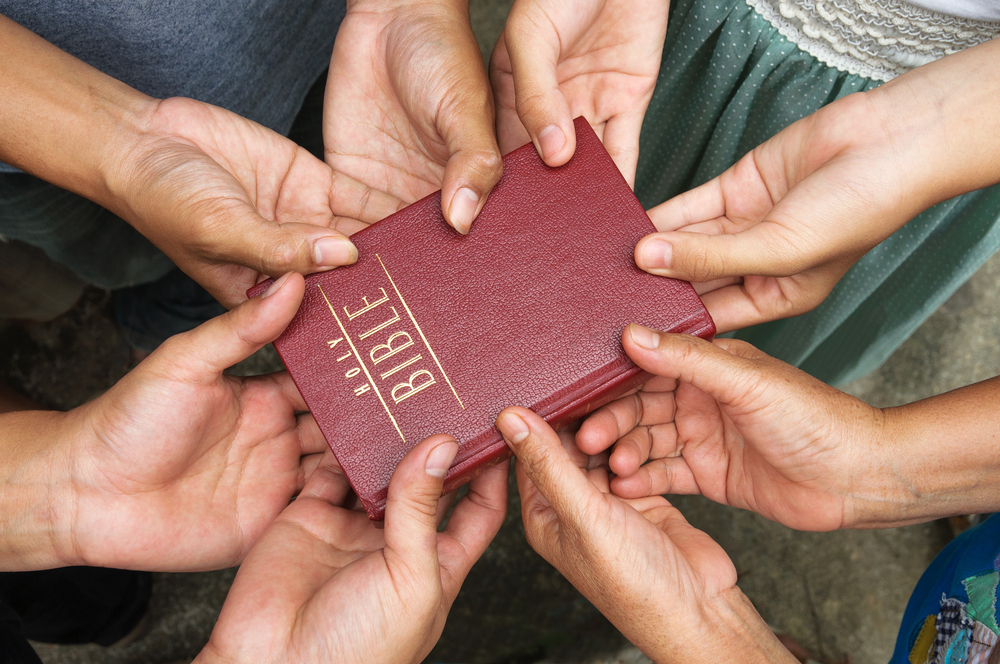
Healing is often spoken of in physical terms, but for many people, the deepest wounds they carry are emotional, psychological, and spiritual. In today’s increasingly complex and fast-paced world, a growing number of individuals are turning to spiritual guidance and prayer healing to find inner peace, clarity, and renewal. When applied together, faith-based spiritual guidance and prayer form a powerful, synergistic approach that fosters holistic healing—addressing not only the body, but the mind, soul, and spirit as well. This integrated approach emphasizes the benefits of combining spiritual guidance and intercessory prayer for inner healing, transforming the whole person from the inside out.
The Role of Spiritual Guidance in Holistic Healing
Spiritual guidance is a faith-based approach to personal growth, healing, and connection to the divine. Unlike traditional counseling, spiritual guidance is not rooted solely in psychology or behavior modification. Instead, it seeks to uncover and nurture the spiritual essence of an individual, offering support, insight, and direction in alignment with their faith or spiritual beliefs. Spiritual guides—often called spiritual directors or mentors—walk alongside individuals as they navigate life’s challenges, helping them discern God’s presence, purpose, and will in their daily experiences.
A core benefit of spiritual guidance is that it creates sacred space for reflection, silence, and soul-deep conversations. Individuals are encouraged to explore their relationship with God, confront unresolved spiritual or emotional wounds, and rediscover their identity in light of divine love and truth. In this process, the guide acts not as a problem-solver, but as a companion who listens, prays, and offers gentle nudges toward greater awareness and surrender.
Through spiritual guidance, people often begin to identify patterns of fear, shame, guilt, or spiritual disconnection that hinder healing. As these issues come to light, individuals are empowered to release false beliefs and emotional burdens that have long weighed them down. This uncovering becomes the fertile ground upon which deeper healing can begin to flourish—especially when combined with the practice of prayer.
Prayer Healing: A Channel for Divine Intervention
Prayer healing, also known as intercessory prayer or healing prayer, is the spiritual practice of inviting God’s healing presence into one’s life through intentional supplication. It may involve personal prayer, where an individual prays for their own healing, or intercessory prayer, where others pray on behalf of someone else. In both forms, prayer healing acknowledges that ultimate restoration and transformation come from a source greater than ourselves.
In many religious traditions, prayer is seen not only as communication with God, but as participation in the divine will. When someone engages in prayer healing, they are not merely hoping for change—they are actively placing their pain, illness, or emotional distress in the hands of a loving Creator. This surrender is not a sign of weakness, but of trust, humility, and openness to supernatural intervention.
Scientific research has begun to explore the effects of prayer on healing, showing correlations between prayer practices and reduced stress, increased feelings of peace, and even physiological changes like lowered blood pressure. While the mechanisms remain mysterious to science, believers know that prayer is not a magic formula, but a sacred invitation for God to work in the deepest parts of the human experience.
In prayer healing sessions, individuals often report a sense of release, peace, or spiritual encounter. These moments can be pivotal—opening the heart to love, forgiveness, and healing that surpasses human understanding. When prayer is practiced alongside spiritual guidance, the impact is magnified.
The Synergy Between Spiritual Guidance and Intercessory Prayer
The benefits of combining spiritual guidance and intercessory prayer for inner healing lie in their complementary nature. Spiritual guidance provides the framework for self-awareness, discernment, and spiritual reflection. Prayer healing, on the other hand, calls on divine power to address the wounds revealed through that reflection. Together, they create a complete pathway toward holistic healing.
For example, a person struggling with deep emotional trauma may come to recognize through spiritual guidance that their pain stems not only from a past event, but from a lingering belief that they are unworthy or unloved. Through compassionate listening, the guide can help this person see the lie at the root of their suffering. Once uncovered, intercessory prayer can be offered—inviting God to replace shame with love, and brokenness with peace.
In many cases, this combined approach helps individuals experience healing on multiple levels. Emotionally, they may feel comforted and validated. Spiritually, they often gain a renewed sense of connection to God. Psychologically, the reframing of their experience can lead to healthier thoughts and behaviors. Even physically, some report improvement in symptoms once inner healing has begun.
Moreover, spiritual guidance and prayer reinforce each other over time. As individuals receive healing through prayer, they gain fresh insights to bring back into their spiritual direction sessions. Similarly, the revelations that emerge in guidance sessions often become the focal point of future prayers. This cyclical process creates momentum for continuous growth and transformation.
The Impact of Inner Healing on the Whole Person
The healing that results from spiritual guidance and prayer goes far beyond surface-level change. It transforms the whole person—restoring harmony between body, mind, and spirit. People who have experienced this kind of inner healing often speak of feeling lighter, freer, and more fully themselves. Old patterns of fear or self-sabotage lose their grip. Relationships improve as forgiveness and compassion take root. A renewed sense of purpose often emerges, anchored in a deeper connection to God.
In Christian tradition, this process is sometimes referred to as “restoration” or “sanctification”—a return to wholeness as intended by the Creator. Jesus’ ministry, for instance, was marked by acts of both teaching and healing. He didn’t just heal bodies—He restored identities, cast out shame, and reconciled people to their communities and to God. Today, faith-based spiritual guidance and prayer continue that legacy, offering a path to transformation that honors the sacred complexity of each person.
Importantly, this form of healing is not a one-time event, but a journey. Life’s struggles do not vanish overnight. However, those who engage in ongoing spiritual guidance and prayer learn how to navigate suffering with hope, how to respond to trials with grace, and how to continually return to the source of their strength. They develop resilience rooted in faith, rather than in fleeting circumstances.
For many, inner healing becomes the foundation for outward change. As wounds are healed and identities are reclaimed, individuals often feel called to serve others, advocate for justice, or pursue their God-given calling with boldness. In this way, the personal becomes communal, and healing spreads like ripples through families, churches, and communities.
Embracing the Journey
In a fragmented world, the longing for wholeness is universal. People seek meaning, peace, and purpose that transcends their daily struggles. Faith-based spiritual guidance and prayer healing offer more than temporary relief—they offer a way to live from the inside out, rooted in divine love and anchored in eternal truth.
Those who embark on this journey often find that healing comes in unexpected ways. It might be the quiet comfort of God’s presence in a time of sorrow, or the unexplainable peace after a prayer session. It might be the breakthrough moment in spiritual direction when an old wound is finally named, or the slow, steady transformation that comes from months of prayerful reflection.
Whatever the path looks like, one thing remains true: healing is possible. Not because we are strong, but because God is. Not because we have all the answers, but because we are willing to seek and to trust. When spiritual guidance and prayer come together, they become instruments of grace—tuning the soul to the melody of heaven and restoring the image of God within us.
As more people open themselves to this integrated approach, the world itself begins to heal. One life at a time. One heart at a time. Through spiritual guidance, through prayer healing, through the benefits of combining spiritual guidance and intercessory prayer for inner healing—the whole person is made new.
Need Counseling Services Near You?
We at Healing Intercessory Ministries, Inc. are here because we care—truly and deeply. Since 2007, our mission has been to walk alongside individuals and families through life’s challenges with compassion, faith, and understanding. Whether you’re seeking personal guidance, marital support, or family counseling, we’re ready to meet you where you are—offering both one-on-one and group support tailored to your needs. Don’t wait to find the help and healing you deserve. Reach out to us today—we would be honored to talk with you and walk this journey together.

